The greatest long-term threat to the health of Buzzards Bay is nitrogen pollution. More than half of the Bay’s harbors, coves, and tidal rivers suffer from the effects of nitrogen pollution. We all contribute this harmful pollution to our local waterways – and fortunately, we can all do our part to stop it.
Your Questions Answered
How does nitrogen pollution harm Buzzards Bay?
Buzzards Bay’s harbors, coves, and tidal rivers suffer from nitrogen pollution – from West Falmouth Harbor all the way to the Westport Rivers. Our Bay Health data clearly show the Bay’s decline from nitrogen pollution over the past 30 years. When water is polluted with nitrogen, it looks cloudy and murky. Algae begins to grow. Eelgrass beds die, and fish and shellfish slowly disappear. In short, nitrogen pollution is quietly destroying the Bay we all love.
results of nitrogen pollution
Nitrogen pollution fuels the growth of algae: tiny plants that can bloom rapidly and fill the water. It’s like adding fertilizer to your garden – except in Buzzards Bay, algae isn’t something we want to grow. Algae makes the water look cloudy and murky, as if someone stained it brown or green. Lettuce-like clumps form in the shallows and wash up at low tide, fouling our beaches. Along the shoreline, algae form thick, slimy mats of green on rocks, pilings, and tidal flats. Sometimes, algae can even stink like decay.
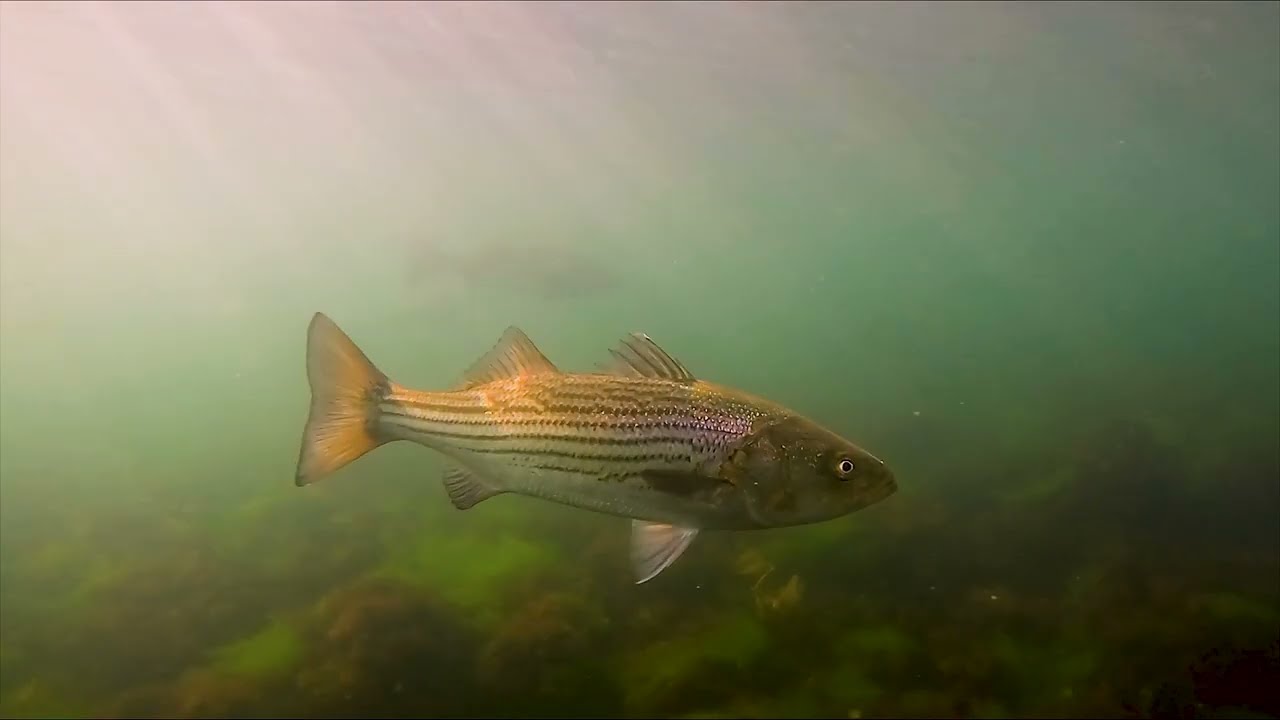
The effects of nitrogen pollution aren’t just ugly to look at. Nitrogen pollution harms the fish and shellfish species that call Buzzards Bay home. When algae blooms form, they block out sunlight from reaching eelgrass at the bottom. Young fish, crabs, and bay scallops rely on eelgrass as a nursery and safe haven from predators. Without enough sunlight, eelgrass dies. And those species that depend on eelgrass begin to vanish, too.
Algae growth also leads to less oxygen in the water. All of the Bay’s species – from big fish to tiny clams – need oxygen to survive. In places like the Chesapeake Bay and the Gulf of Mexico, severe nitrogen pollution creates large “dead zones” without any oxygen. If nitrogen pollution gets worse, the same thing could happen here in Buzzards Bay.

Where does nitrogen pollution come from?
Nitrogen pollution is mainly the result of poorly planned development. When new homes are built far away from existing infrastructure, they add more septic systems, manicured lawns, and paved roads to our region. By far, residential septic systems are the largest single source of nitrogen pollution to Buzzards Bay. Inadequate wastewater treatment is another major source in certain areas. In some waterways, as much as 80 percent of the nitrogen pollution comes from residential wastewater that isn’t treated as well as it could be.
Sources of nitrogen pollution
Traditional septic systems don’t treat for nitrogen. Instead, nitrogen seeps into groundwater and eventually works its way into coves and harbors, where it can become pollution. In areas that aren’t connected to sewer plants, homeowners rely on septic systems to treat their wastewater. But most people don’t realize that the typical septic system – even a new, properly functioning Title 5 system – doesn’t remove much nitrogen.
Whether you live near the water or several miles away, your septic system contributes nitrogen pollution to Buzzards Bay. Nitrogen seeps from the leach field into groundwater. From there, nitrogen can travel underground for many miles to the nearest waterway.
Unlike traditional septic systems, wastewater treatment plants can treat sewage to remove nitrogen and the Bay is fortunate that today sewer plants in Falmouth, Wareham, Marion and Fairhaven have all been upgraded to remove more than 90% of nitrogen from their discharges. However, Sewer plants in New Bedford and Dartmouth don’t remove nearly as much as they could. That nitrogen gets emptied into our local waterways, where it becomes pollution. In many parts of the Bay, wastewater treatment infrastructure is aging or has become inadequate to accommodate growing populations.
Other sources of nitrogen pollution to Buzzards Bay are small compared to wastewater. Each time it rains, fertilizer gets washed off lawns and farm fields into local waterways. Cars emit nitrogen oxides into the air, which eventually fall back onto the land.


