Salt marshes provide a vital role in Buzzards Bay by providing habitat, regulating water quality, and stabilizing coastlines. These vital ecosystems are threatened by sea level rise, current and historical development, and pollution.
And on top of rising water, we continue to weaken salt marshes by overloading our waters with nitrogen pollution from our home septic systems and old sewer plants. Nitrogen is exacerbating the effects of sea level rise, synergistically lowering salt marsh resilience. See here for more information on these challenges.

Scientists and natural resource managers across southern New England are collaborating to identify stop-gap measures to slow the rate of salt marsh loss and to preserve immediately adjacent coastal areas where marshes may migrate inland as the sea rises. These marsh-fringing coastal uplands will continue to be the Buzzards Bay Coalition’s highest priority for land acquisition in the years ahead. Our watershed protection team strategically hunts for land conservation opportunities in pockets that will allow for salt marsh migration while our science team monitors local marshes and studies potential management techniques to slow the loss of salt marsh.
Featured Projects
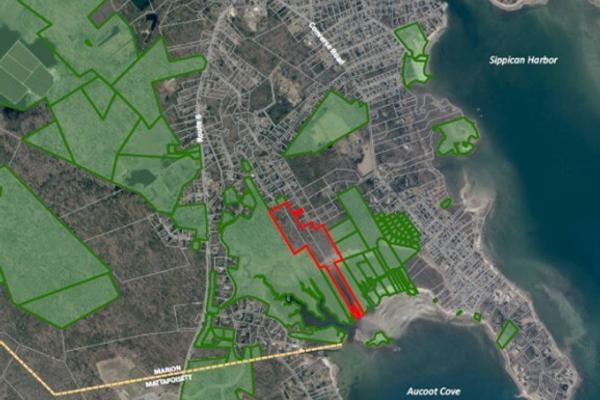
Aucoot Cove
The Buzzards Bay Coalition purchased 27 acres of forest and wetlands, filling a remaining gap in a large complex of preserved land that will be crucial for salt marsh migration at Aucoot Cove in Marion (outlined in red).
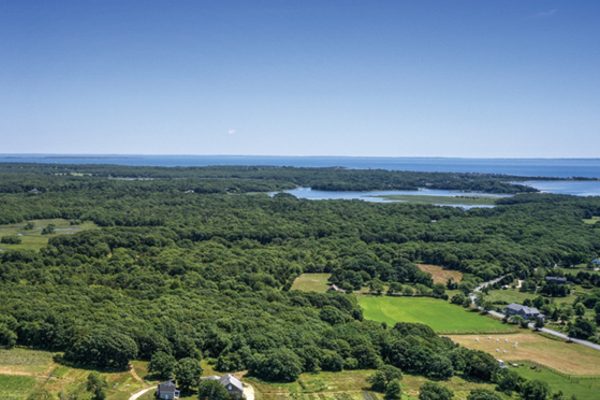
Dartmouth
The Coalition protects multiple parcels in Dartmouth identified for salt marsh migration in the wake of climate change.
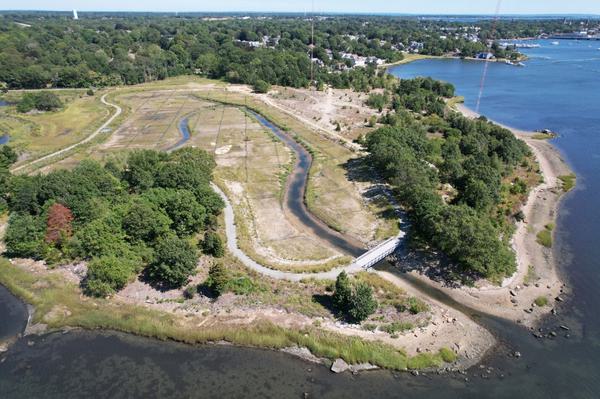
Marsh Island
The largest restoration of nature ever on New Bedford. A former salt marsh that had been filled with dredged sand from the harbor, the area was referred to by locals as "Tin Can Island." The Coalition and its partners completed the first half of the salt marsh's restoration, which can now be enjoyed by the public.
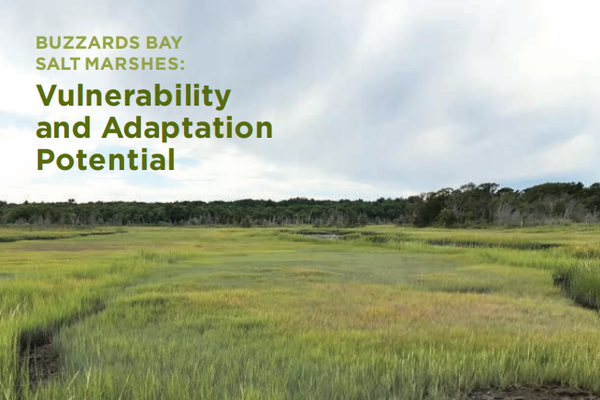
Buzzards Bay Salt Marshes: Vulnerability and Adaptation Potential
Our report Buzzards Bay Salt Marshes: Vulnerability and Adaptation Potential, issued in collaboration with the Buzzards Bay National Estuary Program, the Woodwell Climate Research Center, and the U.S. Geological Survey, documents changes in 12 salt marshes across the region. The lessons learned are pointing the way to determining what kind of actions can be taken to strengthen their resilience to climate change.
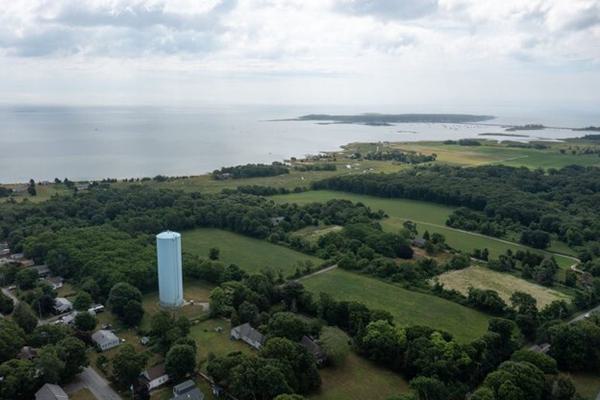
Sconticut Neck
Multiple conservation purchases in Fairhaven will allow for salt marsh migration and have already led to improved water quality and reduced pollution to Nasketucket Bay.
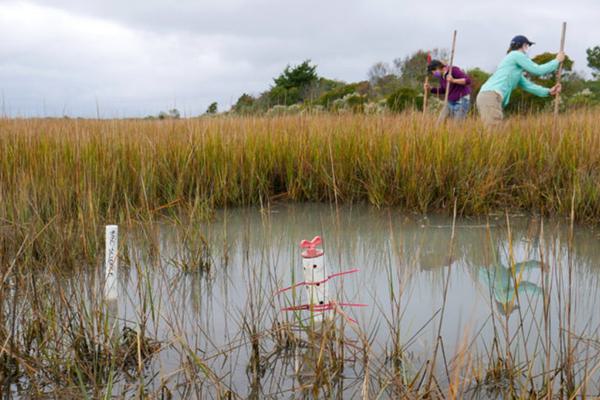
Buying Time with Runnels
Coalition scientists led a research collaboration to pilot test a technique called runnelling which may “buy time” for salt marshes to respond to other management actions, or adapt to sea level rise.